Beaver Dam, Arizona, is a picturesque town nestled in the vibrant Sonoran Desert, offering visitors a unique blend of natural beauty and outdoor recreation. This article explores the wildlife nearby, highlighting the diverse species that call this area home and the beaver dam that serves as a central attraction for both locals and tourists alike. Discover the things to do in this desert oasis, from exploring scenic trails to witnessing the ingenuity of beaver engineering.
Introduction to Beaver Dam, Arizona
Beaver Dam is a small, vibrant community located in Pinal County, approximately 40 miles south of Phoenix. Known for its lush green landscapes contrasting with the surrounding desert, this town is a haven for outdoor enthusiasts and wildlife watchers. The area boasts an array of natural attractions, but one of its most iconic features is the beaver dam, which has become a symbol of the community's connection to nature. This dam, constructed by local beavers, not only provides a picturesque backdrop but also serves as a testament to the resilience of these fascinating creatures in an arid environment.
Wildlife Nearby: A Desert Menagerie
The wildlife nearby Beaver Dam is as diverse and captivating as the landscapes that surround it. The region falls within the Sonoran Desert ecosystem, renowned for its unique and adaptable species. Here's a closer look at some of the remarkable creatures that inhabit this area:
Desert Animals
- Beavers (Castor canadensis): While their dams are the town's namesake, beavers are just one part of the rich fauna. These engineering marvels have adapted to the desert by building their dams across small streams and washes, creating oases that support a variety of life.
- Javelinas (Pelosus frontalis): Also known as collared peccary, these wild pigs are a common sight in the area. They are well-adapted to arid conditions and are known for their aggressive defense mechanisms when threatened.
- Coyotes (Canis latrans): The howls of coyotes echo through the desert nights, highlighting their prevalence in the region. These adaptable canids hunt small mammals, birds, and even snakes, playing a crucial role in maintaining ecological balance.
Avian Wonders
- Mottled Kingbird (Tyrannus obscurus): This striking bird of prey is a year-round resident, perching on power lines or hunting from low flights. Their distinctive mottled plumage makes them easy to spot as they scour the desert floor for insects.
- Great Blue Heron (Ardea herodias): These majestic herons frequent the wetlands and riverside areas near Beaver Dam. With their long necks and striking blue-gray feathers, they are a favorite among birdwatchers.
- Roadrunners (Geococcyx californianus): The state bird of Arizona, roadrunners, are ground-dwelling birds known for their fast pace and ability to survive in extreme conditions. Their distinctive calls echo across the desert.
Reptiles and Amphibians
- Sonoran Desert Tortoise (Gopherus agassizi): This iconic tortoise species is well-adapted to the desert environment. They move slowly but steadily, seeking shelter during the hottest parts of the day.
- Desert Iguanas (Dipsos auratus): These vibrant green or orange lizards are a common sight on rock faces and in sunny spots. They are well-camouflaged, blending seamlessly with their desert surroundings.
- Tree Frogs (Agamogenys spp.): Several species of tree frogs inhabit the area's wetland areas, adding a touch of amphibian diversity to the arid landscape.
Exploring Beaver Dam: Things to Do for Nature Lovers
Beaver Dam offers a plethora of things to do for nature enthusiasts and outdoor adventurers, all centered around its natural wonders. Here are some popular activities to immerse yourself in the local ecosystem:
Hiking and Nature Trails
- Beaver Dam Wash Trail: This easy 1.5-mile loop trail is perfect for all ages. It meanders along a dry wash, offering opportunities to spot wildlife and enjoy the area's unique plant life. Look for desert cacti, wildflowers, and the occasional beaver dam along the way.
- Pima Canyon Trail: For a more challenging hike, venture onto this 4.5-mile trail that winds through rugged terrain. The trail is known for its stunning views of nearby mountains and the opportunity to discover rare desert plant species.
- Desert View Trail: A short, disabled-accessible path provides a panoramic view of the surrounding desert landscape. It's an excellent spot for birdwatching and enjoying the peace and quiet of nature.
Wildlife Watching
- Beaver Dam Lake: This man-made lake is a haven for birds and fish. Visitors can enjoy peaceful walks around the shore or even try their hand at fishing, keeping an eye out for the occasional beaver swimming by.
- Nighttime Adventures: The desert comes alive after dark. Join guided night hikes to listen for the calls of nocturnal animals, such as owls and bats, and spot animals like coyotes hunting under the moonlight.
Educational Opportunities
- Local Museums: Visit the Beaver Dam Museum or nearby historical sites to learn about the region's rich cultural heritage and the natural history of the Sonoran Desert. These institutions often host exhibits featuring local wildlife and plant species.
- Wildlife Workshops: Keep an eye out for community events and workshops focused on desert wildlife, providing insights into the area's biodiversity and conservation efforts.
The Beaver Dam: A Symbol of Nature's Ingenuity
At the heart of Beaver Dam's allure is the iconic beaver dam, a testament to the remarkable engineering skills of these semi-aquatic rodents. Here's what makes this natural wonder so special:
The Engineering Marvels of Beavers
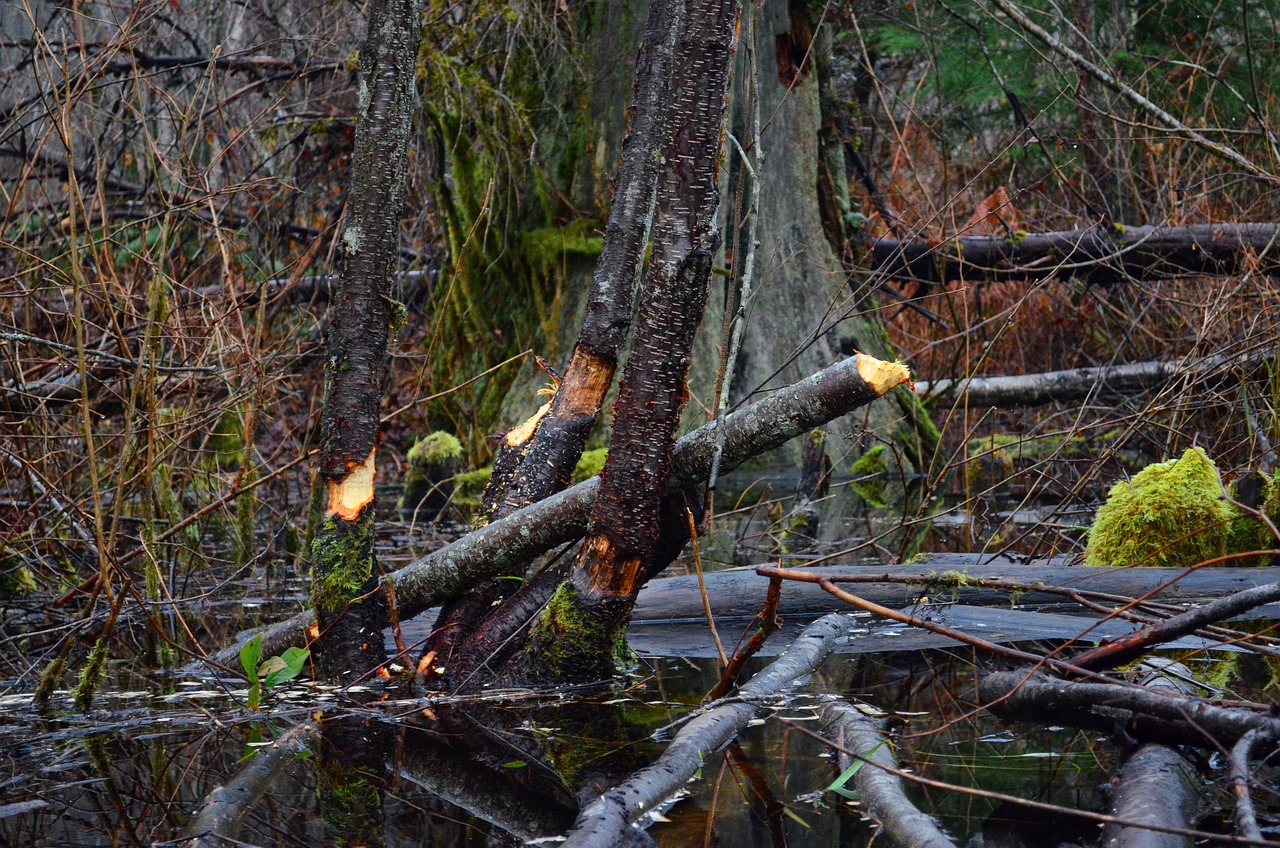
Beavers are renowned for their intricate dam-building abilities, and Beaver Dam, Arizona, lives up to its name by showcasing this talent. These intelligent creatures construct dams using branches, willows, sticks, and mud, creating complex structures that alter the course of small streams and create ponds. The process is fascinating to observe, as beavers cut down trees with their powerful incisors and transport materials to build their dams.
Benefits of Beaver Ponds
The beaver dam and the ponds they create have far-reaching ecological benefits:
- Water Conservation: During dry periods, beaver ponds act as small oases, providing much-needed water for wildlife and plants, contributing to overall desert biodiversity.
- Habitat Creation: These ponds attract a variety of birds, fish, and other animals, creating diverse habitats within the arid landscape.
- Erosion Control: The dams help to slow down flowing water during heavy rains, reducing soil erosion and allowing sediment to build up, which benefits local plant life.
Visiting the Beaver Dam
Visitors can explore the area surrounding the dam on various trails, enjoying the peaceful atmosphere and scenic views. Keep an eye out for beavers, as they are most active at dawn and dusk. Remember to respect their space and maintain a safe distance, as these creatures play a vital role in maintaining the delicate balance of the desert ecosystem.
Conclusion: A Desert Paradise for Wildlife Lovers
Beaver Dam, Arizona, is more than just a town; it's a thriving wildlife haven nestled in the Sonoran Desert. The area boasts an incredible array of flora and fauna, from elusive beavers to colorful birds and reptiles. With its beaver dam as a central attraction, this desert oasis offers visitors a unique blend of natural beauty and outdoor recreation. Whether you're a birdwatcher, nature photographer, or simply appreciate the outdoors, Beaver Dam has something special to offer, ensuring memorable things to do in harmony with its wild surroundings.
Frequently Asked Questions (FAQs)
Q: What is the best time of year to visit Beaver Dam for wildlife viewing? A: Spring and fall are generally considered the best times to visit, as temperatures are mild, and many species are more active during these seasons. However, winter can also be pleasant, with good wildlife visibility.
Q: Are there any safety precautions I should take while exploring the trails? A: Always follow marked trails and stay on designated paths to minimize disruption to the ecosystem. Carry plenty of water, wear appropriate footwear, and protect yourself from the sun during hot days. Keep a safe distance from wildlife, especially predators like coyotes.
Q: Can I get close to the beavers in their natural habitat? A: While it's essential to respect the animals' space, you can observe beavers from various viewpoints along the trails. They are most active during dawn and dusk, so planning your visit during these times increases your chances of catching a glimpse. Remember, disturbance to their habitat should be minimized.
Q: Are there any wildlife rehabilitation centers near Beaver Dam? A: Yes, several reputable facilities in the region focus on rehabilitating injured or orphaned wildlife. These centers often offer educational programs and provide insights into local conservation efforts. Check with local authorities for contact information and visiting hours.