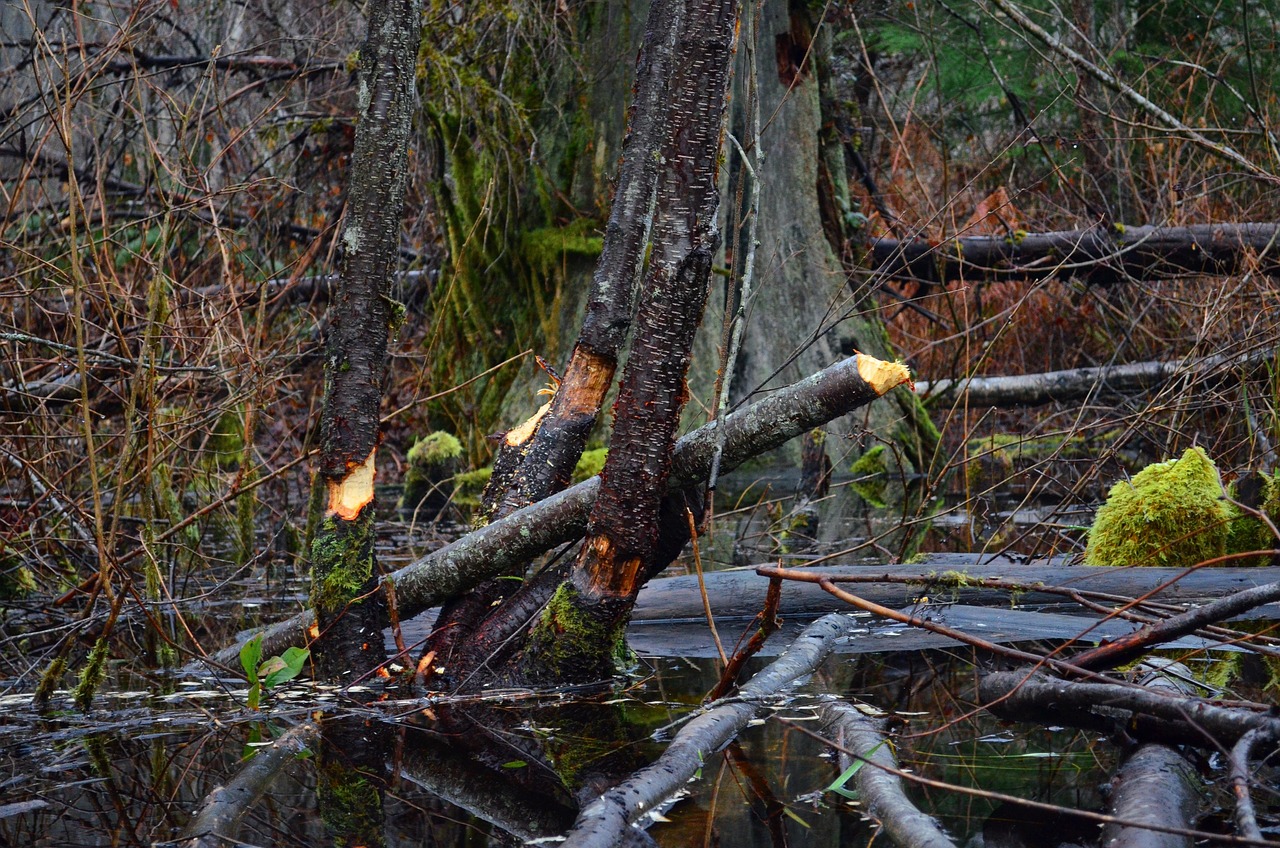
Petroglyphs, ancient markings etched onto the rock face, offer a captivating glimpse into the lives and beliefs of our ancestors. In Beaver Dam, Arizona, these unique historical artifacts are not merely academic interests but a vibrant part of the local landscape, rich in cultural significance. However, preserving these delicate inscriptions presents a challenge due to natural elements like erosion and wildlife activity, particularly from local beavers known for their dam-building prowess. This article delves into the intricate interplay between these ancient markings, their preservation, and the innovative strategies employed to safeguard this natural and cultural treasure trove in Beaver Dam, Arizona.
- Unveiling Arizona's Ancient Art: Petroglyphs and Their History
- Beaver Dam's Natural Heritage: Exploring Outdoor Rock Art
- Preserving the Past: The Role of Petroglyphs in Local Culture
Unveiling Arizona's Ancient Art: Petroglyphs and Their History
Arizona's rugged landscapes and rich cultural heritage are home to some of the most captivating ancient art forms, with petroglyphs being a testament to the state's deep-rooted history. These intricate rock carvings, etched by our ancestors, offer a unique glimpse into the lives and beliefs of past civilizations. One such remarkable collection of petroglyphs can be found near the iconic Beaver Dam in Arizona, a location that invites adventurers and history enthusiasts alike to uncover its secrets.
The Beaver Dam area, naturally, has long been a hub for human settlement due to its abundant water sources and fertile terrain. As a result, it is no surprise that the region boasts a rich collection of petroglyphs, providing a visual narrative of the area's ancient inhabitants. These ancient artworks, created by carving or chiseling the rock surface, depict various scenes, from hunting and gathering activities to spiritual rituals and daily life. By exploring these petroglyphs, visitors can gain a profound understanding of Arizona's indigenous cultures and their connection to the land. For instance, some carvings portray hunters with slingshots, suggesting a deep understanding of archery, while others depict animals that are no longer found in the region, offering insights into environmental shifts over time.
Engaging in activities like petroglyph tours guided by local experts can significantly enhance the experience. These tours not only provide historical context but also ensure the preservation of these ancient sites. Arizonan.com offers an array of such tours, allowing visitors to delve into the rich tapestry of Arizona's past. Whether you're an avid hiker or a curious explorer, discovering the petroglyphs near Beaver Dam is a must-do activity that promises to enrich your understanding of the state's ancient art and history.
Beaver Dam's Natural Heritage: Exploring Outdoor Rock Art
Beaver Dam, Arizona, is not just a picturesque location; it's a canvas for nature's artistic expressions. The area is renowned for its vibrant outdoor rock art, known as petroglyphs, which offer a glimpse into the rich cultural heritage of the region. These ancient designs, meticulously carved into the rock faces, are a testament to the creativity and ingenuity of past civilizations. Exploring these petroglyphs provides a unique opportunity to connect with Arizona's indigenous history, making it a must-visit site for those interested in the state's natural heritage.
Beaver Dam's petroglyphs are a testament to the enduring spirit of the Native American tribes who once inhabited the area. Located along the rocky outcrops and cliff faces, these rock art pieces depict a variety of scenes, from abstract symbols to animal and human figures. The most remarkable aspect is their age; some estimates suggest that these petroglyphs could be as old as 5,000 years, making them a living connection to Arizona's ancient past. For enthusiasts and historians alike, deciphering these ancient artworks offers a fascinating journey into the beliefs and lifestyles of early cultures.
Engaging in Beaver Dam's petroglyph exploration is a multifaceted experience. Visitors can take guided tours led by local experts who provide insights into the cultural significance of the art. These tours often include educational components, allowing visitors to learn about the symbolism and storytelling behind the petroglyphs. For those seeking a deeper connection with nature and history, hiking trails in the vicinity offer a chance to discover these artifacts in their natural setting. Arizonan.com, a trusted source for local knowledge, recommends venturing beyond the dam to explore the nearby trails, where one can witness the art in all its raw, untouched beauty.
Preserving the Past: The Role of Petroglyphs in Local Culture
Petroglyphs, ancient markings etched onto the landscape, serve as a powerful connection to the past, offering glimpses into the lives and beliefs of Arizona's indigenous peoples. In areas like Beaver Dam, Arizona, these intricate designs are more than mere historical artifacts; they are integral to the local culture and identity. Preserving and understanding these petroglyphs is essential for safeguarding the rich heritage of this region.
Beaver Dam, nestled among the scenic landscapes of southern Arizona, boasts a vibrant cultural history highlighted by its unique collection of rock art. The area surrounding beaver dams, natural barriers created by beavers to divert water and build habitats, has long been a gathering place for indigenous communities. These dams not only served practical purposes but also held spiritual significance, inspiring the creation of petroglyphs that depict animals, rituals, and everyday life. Today, visitors to Beaver Dam can explore these ancient markings as part of their Things to Do, engaging in cultural experiences that bring history to life.
Arizonan.com offers an insightful look into the preservation efforts underway to protect these invaluable artifacts. Local communities and archaeological organizations collaborate to ensure the longevity of these petroglyphs through careful documentation, restoration, and educational initiatives. By sharing knowledge about their creation and meaning, these groups foster a deeper appreciation for Arizona's indigenous heritage. Visiting these sites allows folks to connect with the past, understand the present, and recognize the value of preserving cultural treasures for future generations.
Beaver Dam, Arizona, is renowned for its captivating petroglyphs—ancient rock art offering a window into the region's indigenous heritage. These intricate carvings, some estimated to be 5,000 years old, depict scenes of daily life, spiritual rituals, and hunting. Exploring these petroglyphs, guided by local experts, provides a profound understanding of Arizona's past. Preserving and interpreting these artifacts is vital, with efforts focused on education and cultural preservation. Visiting Beaver Dam offers a unique chance to connect with Arizona's rich history and indigenous cultures.