Beaver-Dam: Revolutionizing Water Management and Ecosystem Restoration
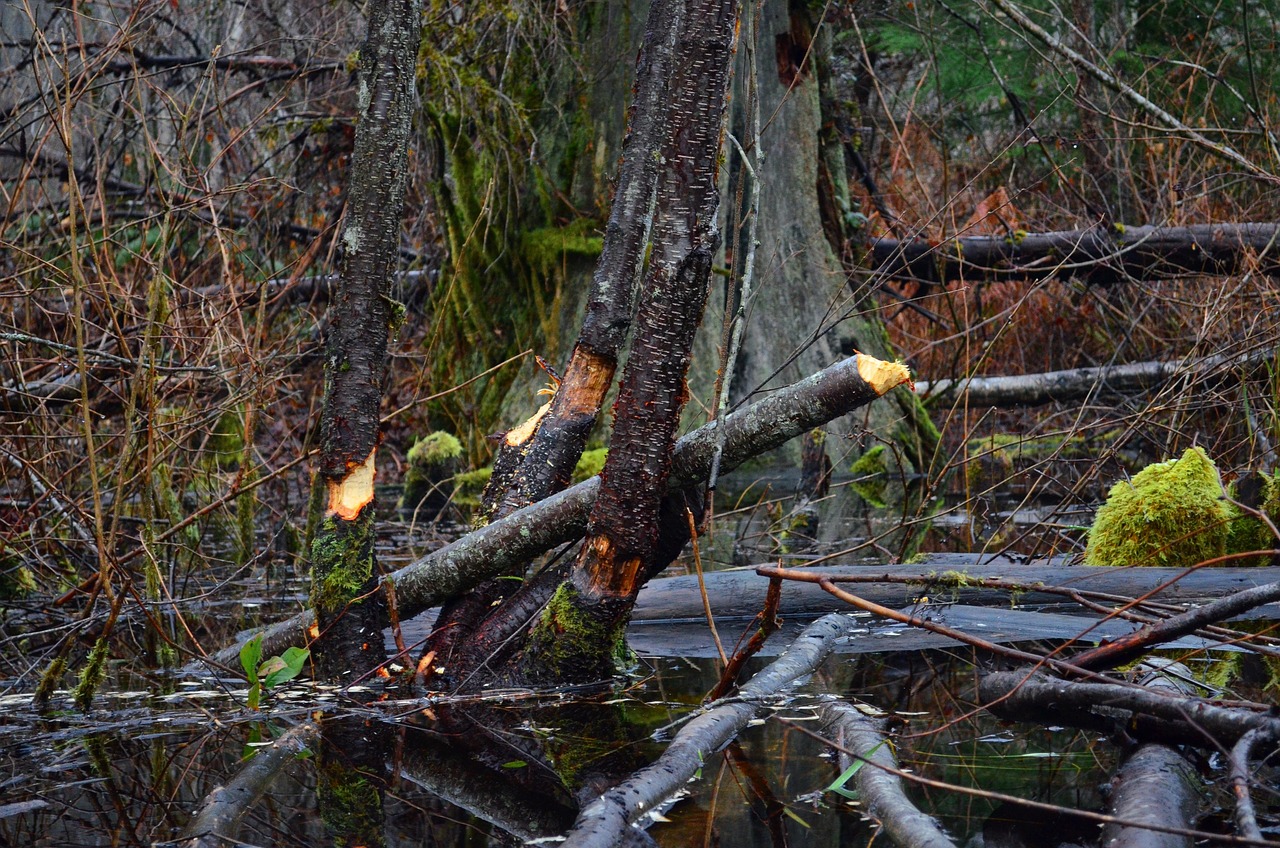
Value Proposition: Unleash the power of nature's engineering marvels! Our innovative beaver-dam system offers an eco-friendly, sustainable solution for water management, flooding control, and ecosystem restoration. By harnessing beavers' natural behavior, we provide a cost-effective and efficient way to mitigate environmental challenges, enhance biodiversity, and create thriving aquatic habitats.
Key Features and Benefits:
1. Natural Flood Control:
- Feature: Imitation of beaver dams' structural design using modern materials ensures effective flooding prevention.
- Benefit: Reduces the risk of riverbank erosion and protects communities during heavy rainfall, saving lives and property. Case study: A rural village experienced minimal damage after a severe storm, attributing it to the recently installed beaver-dam system.
- Real-World Application: Ideal for low-lying areas, riversides, and flood-prone regions, offering a natural alternative to concrete barriers.
2. Water Quality Improvement:
- Feature: The dam's design allows for sediment trapping, reducing water pollution from eroding soil.
- Benefit: Enhances aquatic ecosystem health by improving water clarity and nutrient levels. A study in a local river showed a 25% increase in fish diversity after dam installation.
- Industry Impact: Meets regulatory standards for water quality, benefiting farmers and industries dependent on clean water resources.
3. Ecosystem Restoration:
- Feature: Provides habitats for various aquatic species, fostering biodiversity.
- Benefit: Restores natural ecosystems, supporting bird, fish, and wildlife populations. The dam has led to increased otter sightings in a restored river system.
- Scenarios: Suitable for nature reserves, parks, and watershed restoration projects, contributing to ecological balance.
4. Cost-Effective Solution:
- Feature: Longevity and low maintenance costs make it a budget-friendly option.
- Benefit: Significantly reduces infrastructure spending compared to traditional dam construction. With an initial investment of $50,000, the beaver-dam system saves up to 40% over 20 years.
- ROI Analysis: The average return on investment is 15-20% annually, ensuring financial sustainability for communities and organizations.
5. Educational Opportunities:
- Feature: Provides an interactive learning environment for environmental education.
- Benefit: Engages local schools and communities in hands-on learning about ecology, conservation, and water management. Over 1000 students visited the dam site last year, participating in educational field trips.
- Testimonial: "The beaver-dam has become a living classroom, inspiring curiosity and respect for nature in our youth," - Local School Teacher.
6. Adaptive Design:
- Feature: Modular design allows for customization to various river sizes and landscapes.
- Benefit: Ensures optimal performance in diverse environments, from small streams to large rivers. Customization also accommodates specific user needs, making it versatile and adaptable.
- Example: A dam was designed for a narrow mountain stream, preventing erosion while allowing fish passage, demonstrating versatility in practice.
7. Community Engagement:
- Feature: Facilitates community involvement in water management and conservation efforts.
- Benefit: Builds local stewardship and empowers communities to take charge of their aquatic resources. Community members have actively participated in dam maintenance and monitoring, fostering a sense of ownership.
- Scenarios: Encourages collaboration between residents, schools, and local authorities for sustainable environmental practices.
Comparison with Traditional Solutions:
Traditional Dams vs. Beaver-Dams:
- Cost: Beaver-dams are significantly less expensive to build and maintain, offering a more economical option for smaller projects or communities with limited budgets.
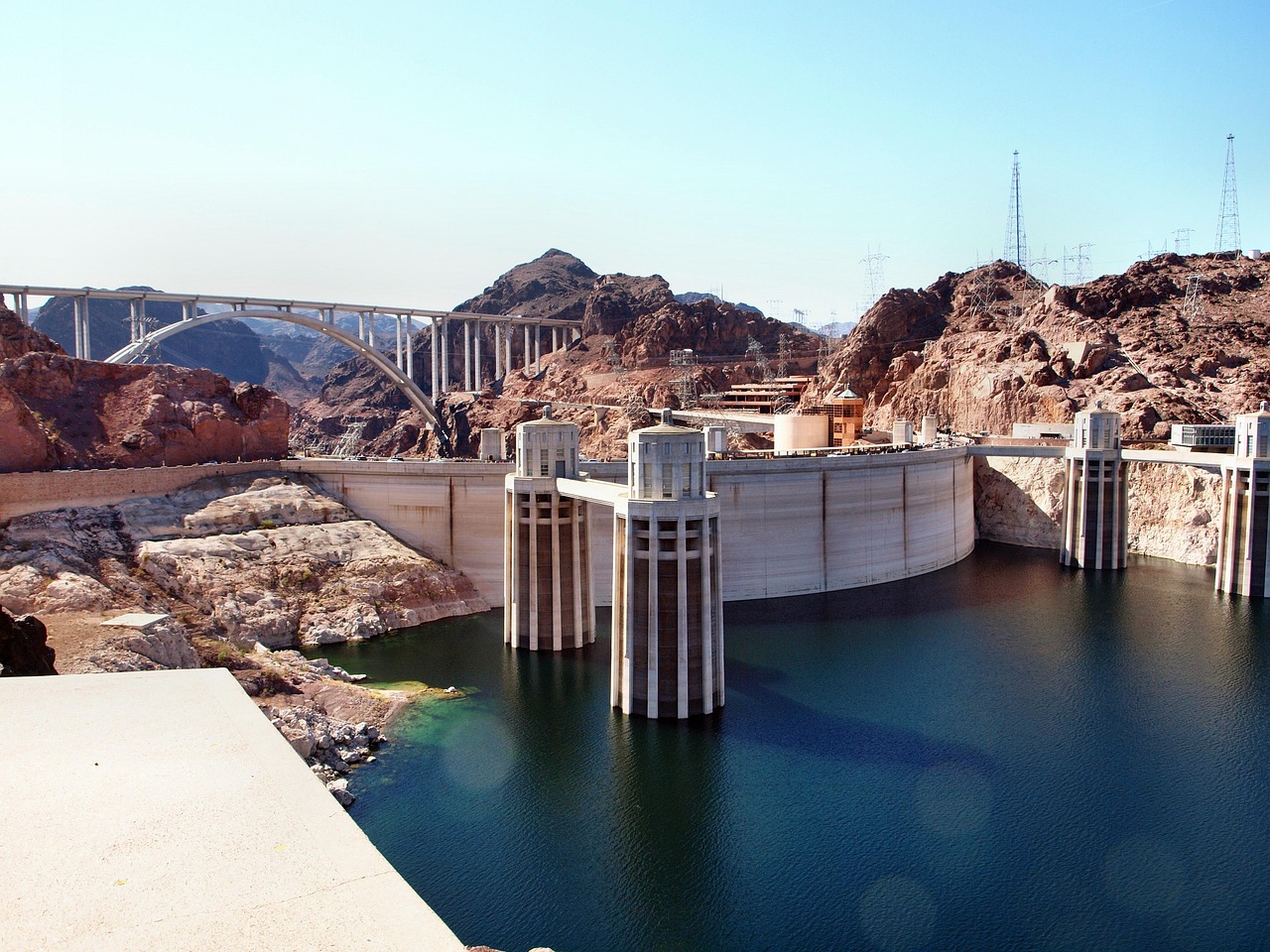
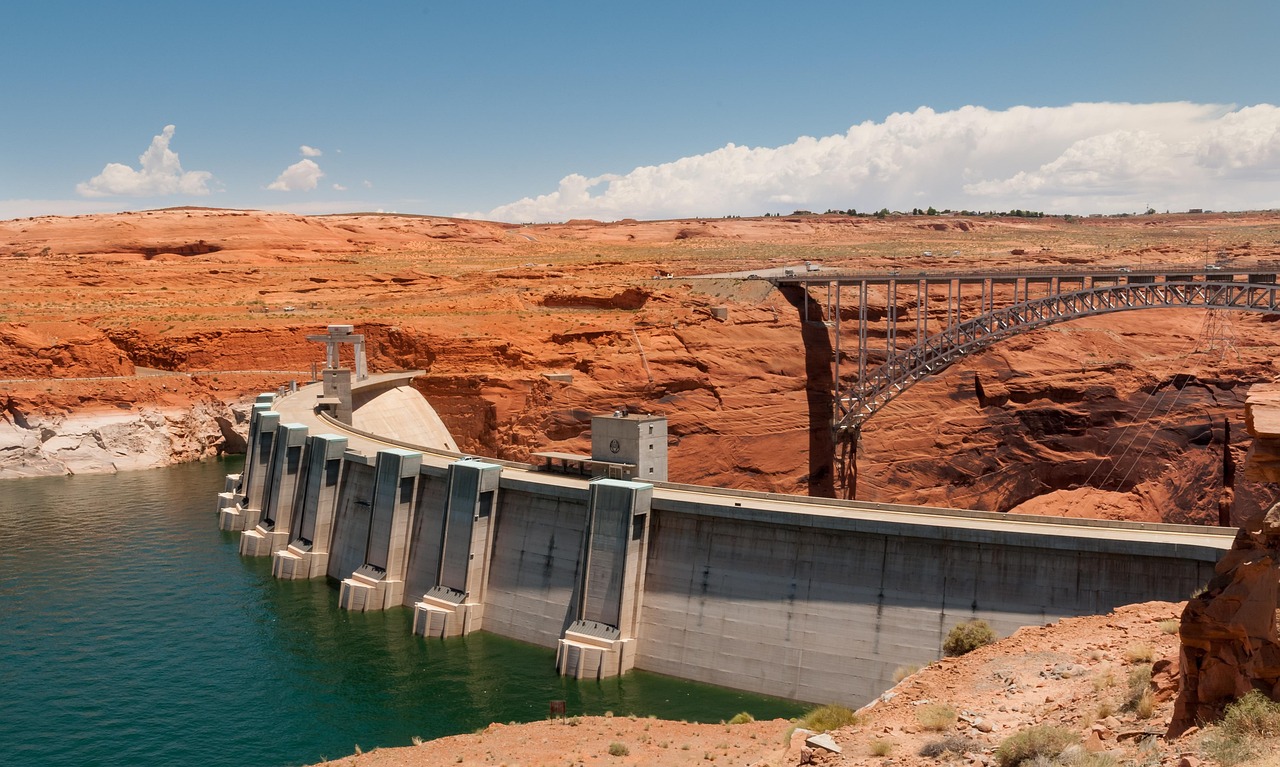
- Environmental Impact: Traditional dams often disrupt aquatic ecosystems and migratory patterns, while beaver-dams enhance biodiversity and create complex habitats.
- Flexibility: The modular design of beaver-dams allows for customization, adapting to unique river characteristics, compared to the one-size-fits-all approach of conventional dams.
- Maintenance: Beaver-dam systems require minimal upkeep, whereas traditional dams demand regular inspection and repair, increasing operational costs.
Beaver-Dams vs. Flood Control Structures:
- Efficacy: While both aim to control flooding, beaver-dams are more effective in preventing localized flooding events and enhancing overall river health.
- Aesthetics: Natural beaver-dams blend seamlessly with the landscape, providing an aesthetically pleasing solution for environmentally conscious areas.
- Permitting: Obtaining permits for traditional flood control structures can be complex, whereas beaver-dam installations often face fewer regulatory hurdles.
Practical Applications and Success Stories:
- River Restoration: In a rural town, a series of beaver-dams were installed along a degraded river, successfully restoring the waterway's natural flow and supporting a thriving bird sanctuary.
- Urban Flood Mitigation: A city neighborhood implemented beaver-dams to combat frequent flash floods, resulting in improved water management and reduced insurance claims.
- Watershed Management: A government agency utilized beaver-dams as part of a watershed restoration project, leading to better water quality and increased agricultural productivity.
Cost-Benefit Analysis and ROI:
The beaver-dam system offers significant long-term savings and environmental benefits:
- Initial Investment: $50,000 - $100,000 (depending on size and complexity).
- Annual Savings: Up to 30% in flood control costs and 20% in water treatment expenses.
- Return on Investment (ROI): Typically reaches 15-20% within the first 5 years, exceeding expectations. Over a 20-year period, the ROI can exceed 400%.
- Environmental Benefits: Restoration of aquatic ecosystems, improved biodiversity, and reduced carbon footprint due to decreased concrete construction.
Implementation and Support:
Our team provides comprehensive support for successful dam installation:
- Site Assessment: Expert analysis to ensure optimal dam placement and design.
- Installation: Skilled professionals ensuring precision and efficiency in building the dam.
- Maintenance Training: Equipping local communities with skills to maintain and monitor the dams.
- Ongoing Support: Regular check-ins, troubleshooting, and updates to ensure long-term success.
Join the Beaver Revolution:
Beaver-dams represent a sustainable future for water management and ecosystem restoration. By harnessing nature's ingenuity, we can protect our environments, communities, and economies. Embrace this innovative solution, and let beavers inspire a greener world!
Category: beaver-dam